

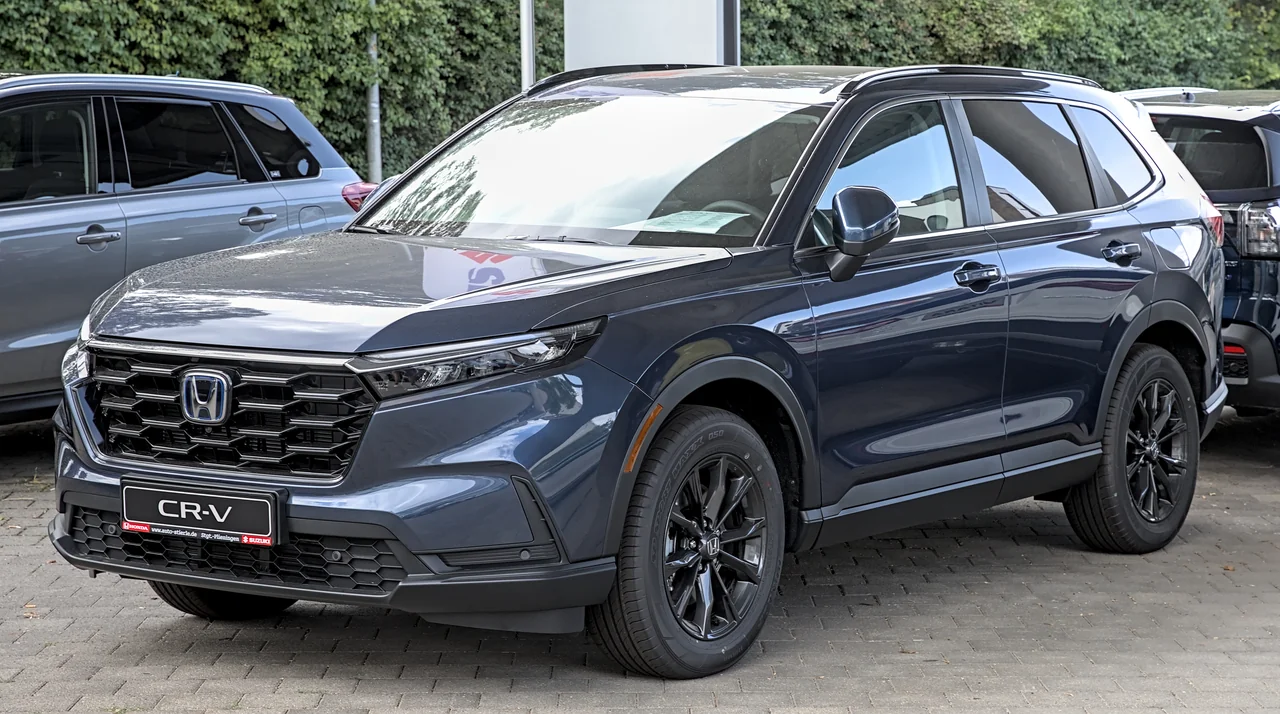
Honda outlined the next generation of its hybrids on October 9 under the Honda Hybrid name. The plan covers 15 models through the fiscal year ending in March 2030, with deployment starting in 2027 and a particular focus on North America. That is an industrial roadmap, not confirmation that all 15 vehicles will reach Mexico or arrive together.
The architecture retains two electric motors and aims to improve how the combustion engine, electrical components and platform work together. Honda describes a broader high-efficiency engine operating range, smaller and lighter units and improved platform rigidity. Motion management and electric all-wheel drive also feature in the technology plan.
Why the platform matters alongside the engine
A power figure alone cannot explain fuel consumption. Moving less mass, recovering energy and coordinating different components can change the result in urban and highway use. Those are distinct conditions: an improvement during repeated braking does not necessarily deliver the same benefit at a steady cruising speed.
The announcement therefore cannot establish monthly savings for a Mexican driver. That requires certified figures for a specific version, followed by comparable testing with clearly described conditions. Urban traffic, a high-altitude highway and a fully loaded vehicle do not represent the same test.
What to check when local versions are announced
Identify the exact model, year and hybrid configuration before comparing prices. Different hybrid systems have different charging requirements and electric-driving capabilities. Then compare consumption under the same measurement procedure, warranty coverage, local servicing, space and equipment. A feature in a global technology presentation is not automatically included in a country’s entry-level trim.
This announcement does not provide Mexican prices or a local launch date for every model. Nor does it provide independent measurements that turn efficiency targets into proven results. The useful news is the generation change and the rollout plan. For an actual buying decision, the next meaningful evidence will be a national specification sheet with the configuration, warranty and final price. Until then, a new badge is a signpost toward future products rather than a complete reason to replace a working vehicle.

_hybrid_1X7A0866.jpg)