
On 19 October, Leo XIV renewed the International Theological Commission for the 2026-2031 term, with appointments that include Julián Arturo López Amozurrutia, an academic at the Pontifical University of Mexico. The body, which studies doctrinal questions to support the Holy See, grows from 28 to 30 members and expands the participation of women and laypeople.
López Amozurrutia serves as dean of the Faculty of Theology at that Mexican university. His appointment is part of a renewal that also retains six members from the previous term, including Piero Coda, who serves as secretary general.
Other appointed academics include Ángel Cordovilla Pérez, of the Pontifical University Comillas in Madrid; Khaled Emmanuel Anatolios, of the University of Notre Dame; and Anne-Sophie Vivier-Muresan, of the Institut catholique de Paris. The membership brings together specialists from different theological schools, countries, and religious communities.
More women and laypeople in the new term
The Commission will have eight women, up from five in the previous five-year term. Five of them are laypeople. Together with three male lay theologians, that group totals eight people and doubles lay representation compared with the previous term.
The geographic distribution is also changing: Europe will have 13 representatives, one fewer than before; Asia and Africa will each have four, gaining one seat per continent. South America goes from four to five members, while North America retains three and Australia, one.
What the Commission does
Its work consists of examining relevant and current doctrinal matters, especially in support of the Dicastery for the Doctrine of the Faith. The resulting studies are presented to the Pope and made available to that Vatican department. In its history, the Commission has published 33 documents approved by its president, the prefect of the Dicastery.
Paul VI created the body in 1969, and John Paul II promulgated its definitive statutes in 1982. The rules allow up to 30 members and set terms of five years. The prefect proposes candidates after consulting the episcopal conferences; the pontiff makes the appointments.
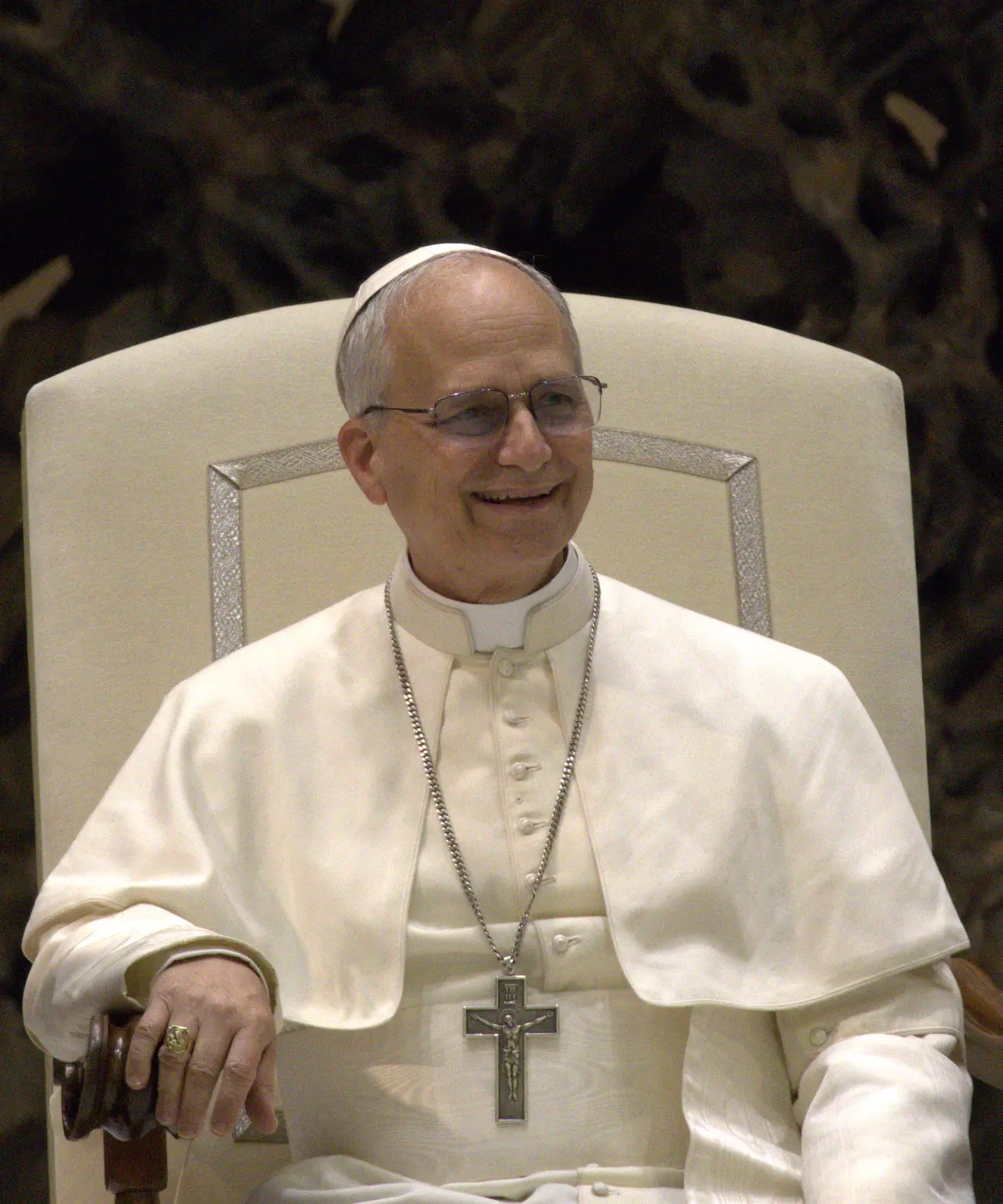
Image: Leo XIV during an audience with the media on 12 May 2025. File photo: Edgar Beltrán / The Pillar / Wikimedia Commons, CC BY-SA 4.0.