
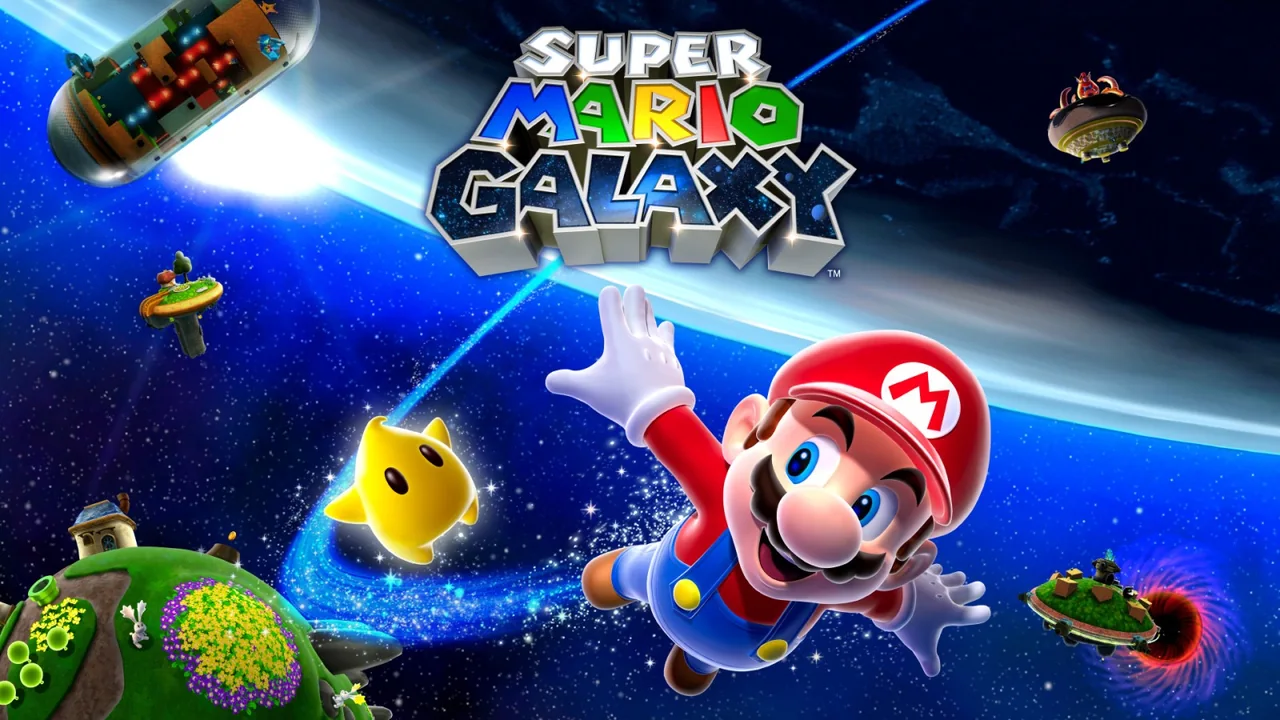
Super Mario Galaxy now has a native Android port developed by OpenPort Labs. Called Galaxy Android, the project builds on Petari’s reconstructed source code and the GalaxyQuest project. This is not Nintendo launching a mobile edition: it is a community adaptation compiled for ARM64 processors.
“Without an emulator” therefore has a specific technical meaning. Rather than using a Wii emulator in the usual way, the project adapts the engine to Android with Vulkan graphics and AAudio sound. That does not remove the need for compatible hardware, suitable drivers or testing on individual devices.
What the phone needs
The current documentation requires Android 11 or later, an ARM64 processor and Vulkan 1.0. It lists 3 GB of RAM as the minimum and recommends at least 4 GB. Expected storage is approximately 2.5 GB without movies or 5 GB with them.
Older descriptions mention an OpenGL ES fallback. The current repository is more explicit: Vulkan is mandatory, and its requirements table does not provide an alternative graphics backend. That distinction matters for older chips even when the phone has enough free storage.
Adapted controls, not universal compatibility
The project includes configurable touch controls, gamepad support and ways of adapting Galaxy’s pointing mechanics to a screen and sensors different from Wii’s hardware. Published versions continue to introduce changes and fixes, so this remains an evolving project.
Native execution can reduce some of the work involved in emulating another platform. It does not establish that every phone will deliver 60 frames per second. Resolution, graphics hardware, drivers and temperature still affect the experience. This article does not claim original performance measurements or certify particular devices.
The application does not include Nintendo’s game data
OpenPort Labs states that the repository and application do not distribute the game’s levels, textures, audio or cinematics. Users must supply data obtained from their own copy. The project’s APK and a package containing Nintendo’s copyrighted assets are not the same thing.
This adaptation should also be distinguished from official Super Mario Galaxy editions on Nintendo consoles. They involve different products and support arrangements. The artwork accompanying this article comes from official game materials, not from a test demonstrating Android performance.
The project illustrates what reconstructing an engine and adapting it to another architecture can make possible. For someone seeking minimal setup, however, the absence of an emulator is not enough to judge the experience. Version stability, device support and available controls remain important parts of that decision.