
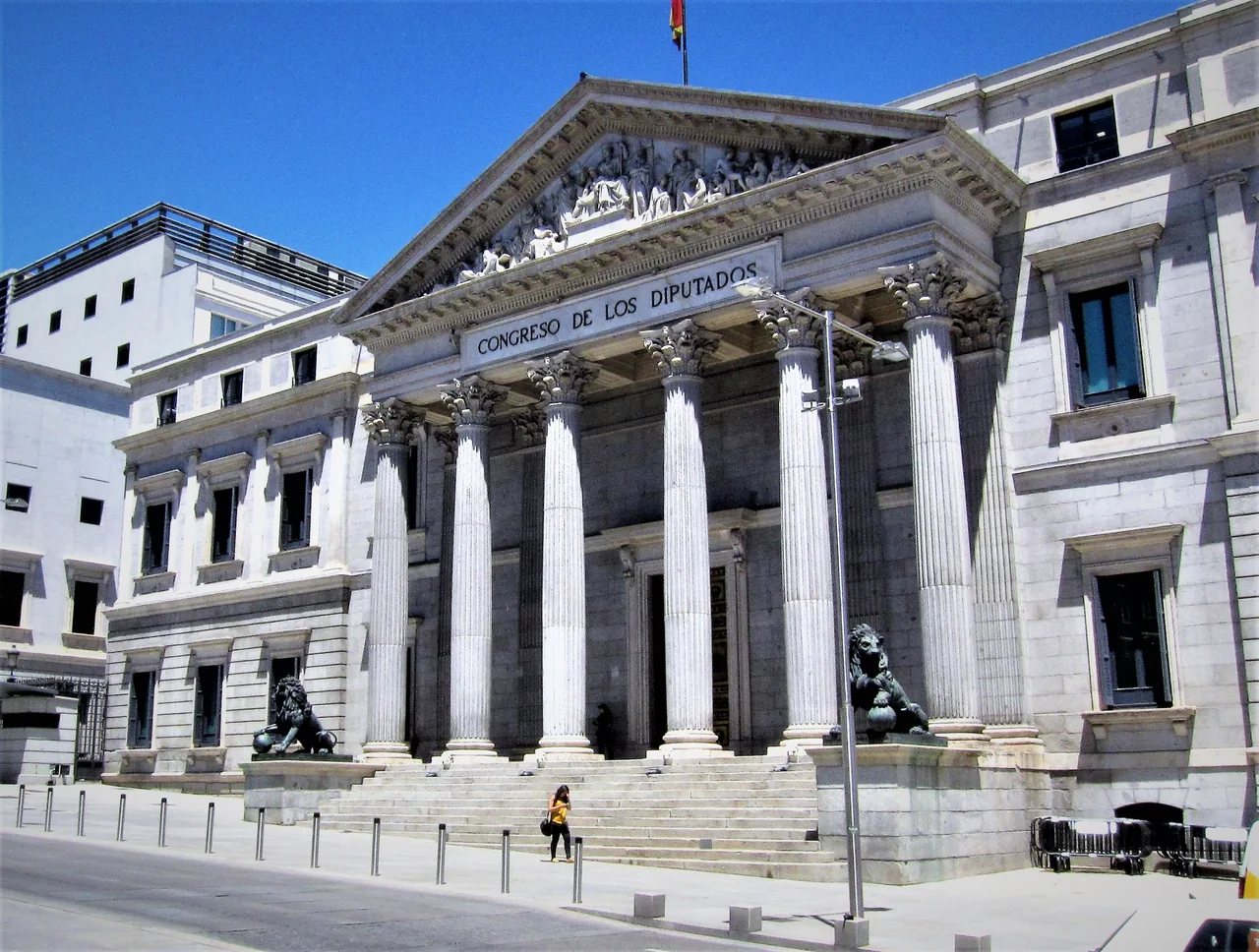
Spain’s November 29 general election is entering a decisive stage for candidate lists. On October 20, talks between the Popular Party and Vox over the Senate, alongside changes among parties on the left, dominated the run-up to the opening of candidate registration.
The election date is established by Royal Decree 806/2026, published on October 6. Voters will elect members of the Congress of Deputies and the Senate. They will not directly elect the prime minister: the parliamentary majority that can be assembled after voting will be crucial to forming a government.
What the Senate negotiations mean
Popular Party leader Alberto Núñez Feijóo confirmed talks with Vox about coordination intended to improve their prospects in the upper chamber. At this article’s cutoff, negotiations remained open. That is not the same as a completed nationwide agreement or an officially registered joint candidacy.
The discussions follow arrangements involving the PSOE and parties on the left for Senate races. Their significance lies in electoral coordination: parties competing separately and parties coordinating candidates may not achieve the same distribution of representation.
Three questions should be kept separate when reading these developments: who will run in each constituency, which electoral agreements will actually be formalized, and what governing arrangements might be negotiated afterward. A pre-campaign statement does not resolve all three.
Pressure on party lists
In Palencia, members of the PSOE’s original proposed slate withdrew after the national leadership changed its lead candidate. The dispute concerns the locally supported proposal and the party leadership’s authority to amend the list before official registration.
In Madrid, Frente Amplio is reshaping its slate after Mónica García decided against standing for Congress. Emilio Delgado leads the proposed list, followed by Tesh Sidi. These are changes to candidacies, not election results or seats already won.
The dates that matter
Candidate registration runs from October 21 through October 26. The official campaign begins on November 13 and ends on November 27. November 28 is the campaign-silence day before voting on November 29.
The next meaningful checkpoint is the formal submission of lists, rather than the announcement of names alone. Senate deals also need to be distinguished from competition for Congress. Both chambers are being renewed on the same day, but the arrangements under discussion should not be treated as one nationwide ticket covering every contest.
That distinction matters when assessing claims about alliances: an agreement concerning one chamber or particular constituencies does not automatically establish a governing coalition for the entire country.