
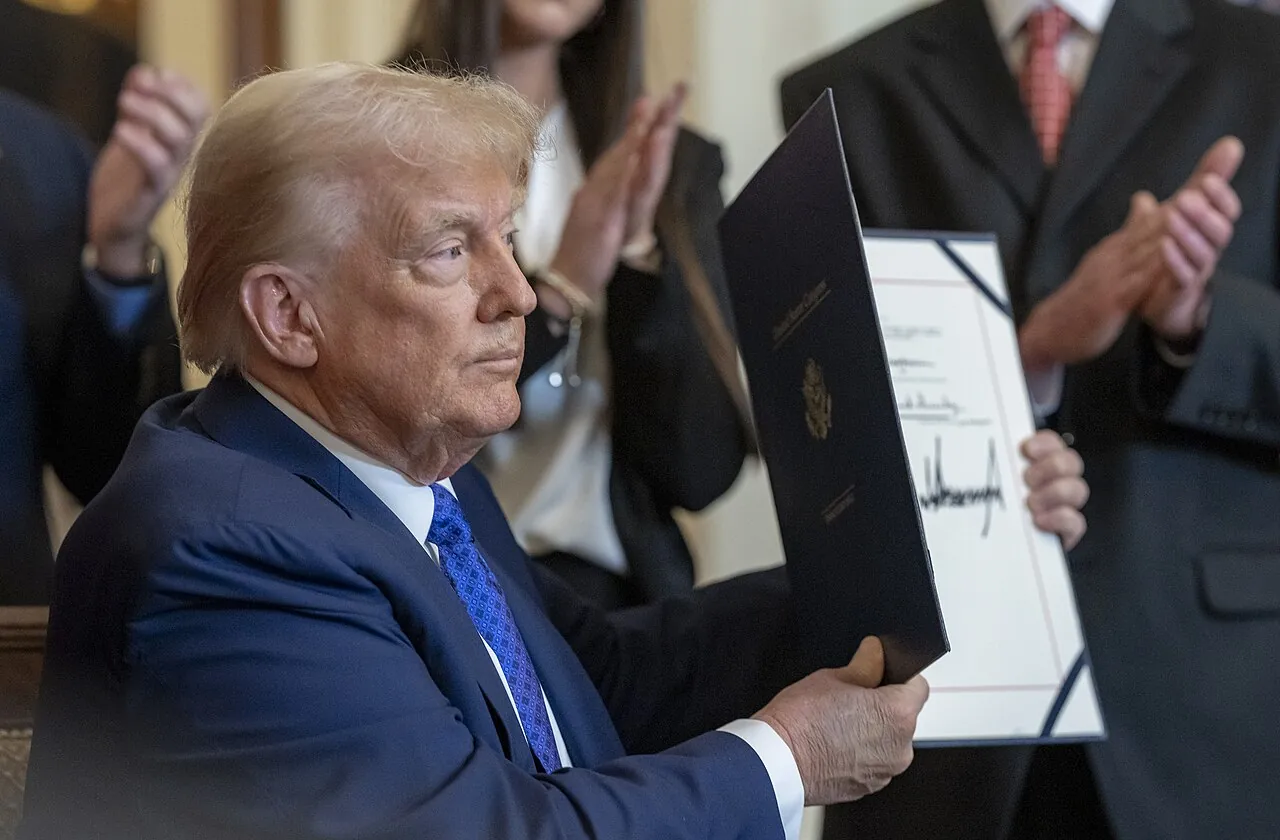
Donald Trump waived a new package of sanctions against Russia in an executive order signed on October 16. The decision covers measures in the Graham Act, which became law on September 18, and renews the debate over how much economic pressure Washington should place on Moscow. It does not lift all existing American sanctions against Russia.
The distinction is inside the document itself. Its opening sections describe tariff increases and restrictions, while a later section grants waivers preventing their application. Reading the tariff provisions alone would give a misleading picture of what importers will actually be charged.
Which tariffs are covered?
The order describes a 500% increase on Russian goods and a 100% increase on goods from the five largest buyers of Russian oil and natural gas making new purchases from October 18 onward. It also targets leading facilitators of oil sanctions evasion. Section four waives the application of those provisions.
Trump invoked the authority established in section 115 of the law and certified to Congress that granting the waiver serves the United States’ national interest. This mechanism does not erase the legislation. It preserves a route for Washington to apply measures later if its assessment changes.
Existing restrictions still matter
The order expressly says that sanctions imposed under earlier executive orders are not affected. Describing the decision as a complete reopening of trade with Russia, or blanket permission to deal with Russian banks, would therefore be wrong. Transactions remain subject to whatever other restrictions still apply.
The United States trade representative will continue monitoring purchases of Russian energy and sanctions evasion. That work can lead to recommendations for further action, including changes to the waivers. The document does not establish an automatic, permanent end to enforcement.
Why the decision matters beyond Washington
The White House presents flexibility as part of its approach to negotiating an end to the war. Republican lawmakers have criticized the move, while Ukraine argues that easing pressure benefits Russia instead of helping stop the conflict.
For readers in Mexico, the relevance lies in potential changes to energy trade and American commercial policy. But the order alone does not guarantee cheaper fuel or establish an immediate effect on Mexican retail prices. The confirmed development is a waiver of new measures, not an economic benefit that has already arrived.