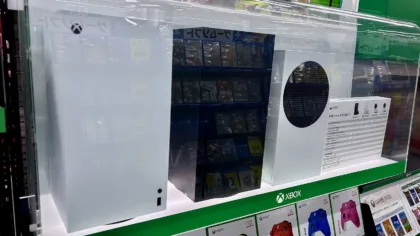

AMD announced that FSR 4.1 is coming to Xbox Series X and Series S. The upscaling technology aims to deliver a sharper image and improve performance in compatible games, but its arrival on consoles is still listed as upcoming: there’s no release date yet, and it shouldn’t be mistaken for an update that’s already available.
Upscaling makes it possible to create a higher-resolution image from a lower-resolution render. FSR uses artificial intelligence to perform this process, with the aim of reducing processing demands without sacrificing image detail. The announcement opens up that possibility for both Xbox consoles, though it doesn’t show how much each game will improve.
Microsoft and AMD worked together to optimize the technology for Xbox. Scott Van Vliet, Xbox’s chief technology officer, described the collaboration as an additional tool for developers seeking to balance performance and visual quality—not as a universal improvement already applied across the game catalog.
What Changes for Xbox Owners
For now, the announcement doesn’t mean that all games will automatically receive improvements. It’s still unclear how FSR 4.1 will be implemented on the consoles: whether it will be enabled across the board or whether studios will need to add it through specific updates for their games.
The expansion also includes PC hardware. AMD announced that it’s coming to Radeon RX 6000 graphics cards and various Ryzen devices; for compatible systems, the rollout begins on 20 of October through Adrenalin Edition 26.10.1 drivers. That schedule is different from Xbox’s and doesn’t mean consoles can already use it.
The collaboration also points to Project Helix, where Microsoft and AMD anticipate using FSR Diamond. That’s a separate stage of the technology: for current Series X and Series S owners, the concrete news is that FSR 4.1 will eventually be added, with availability and results for each game still to be determined.
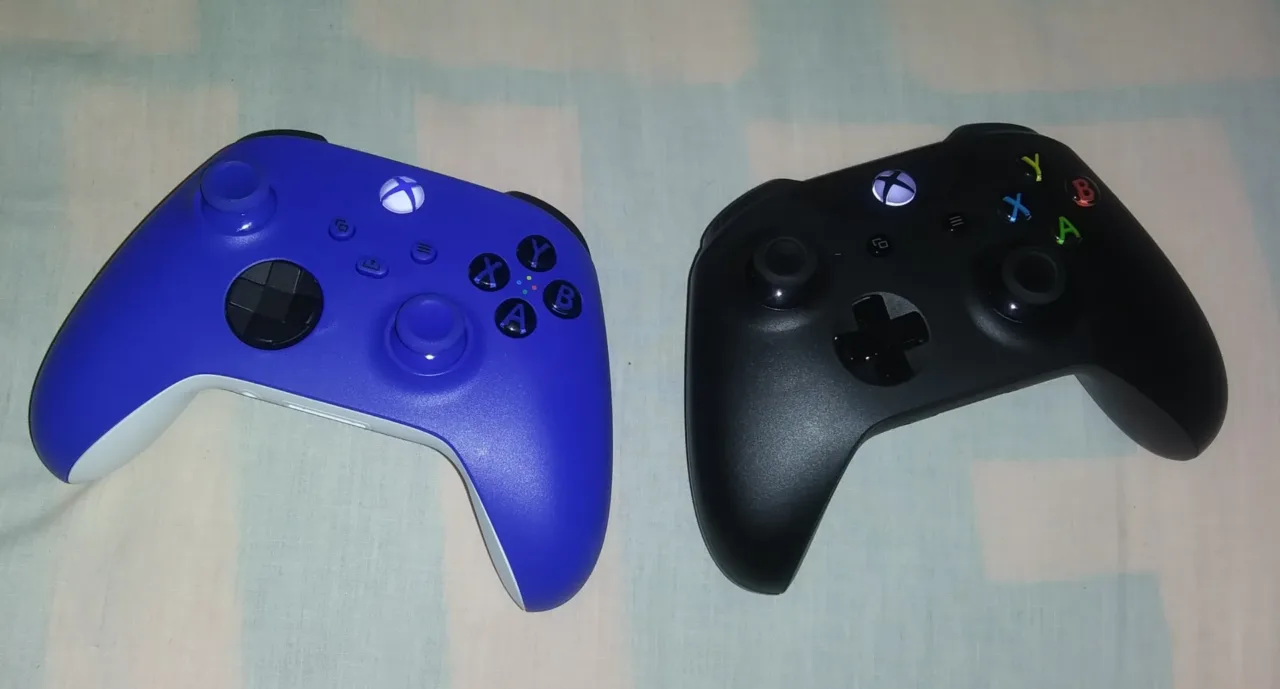
Image: Xbox Series and Xbox One controllers in an illustrative archival photo from April 2021. AlexZade / Wikimedia Commons, CC BY-SA 4.0.