

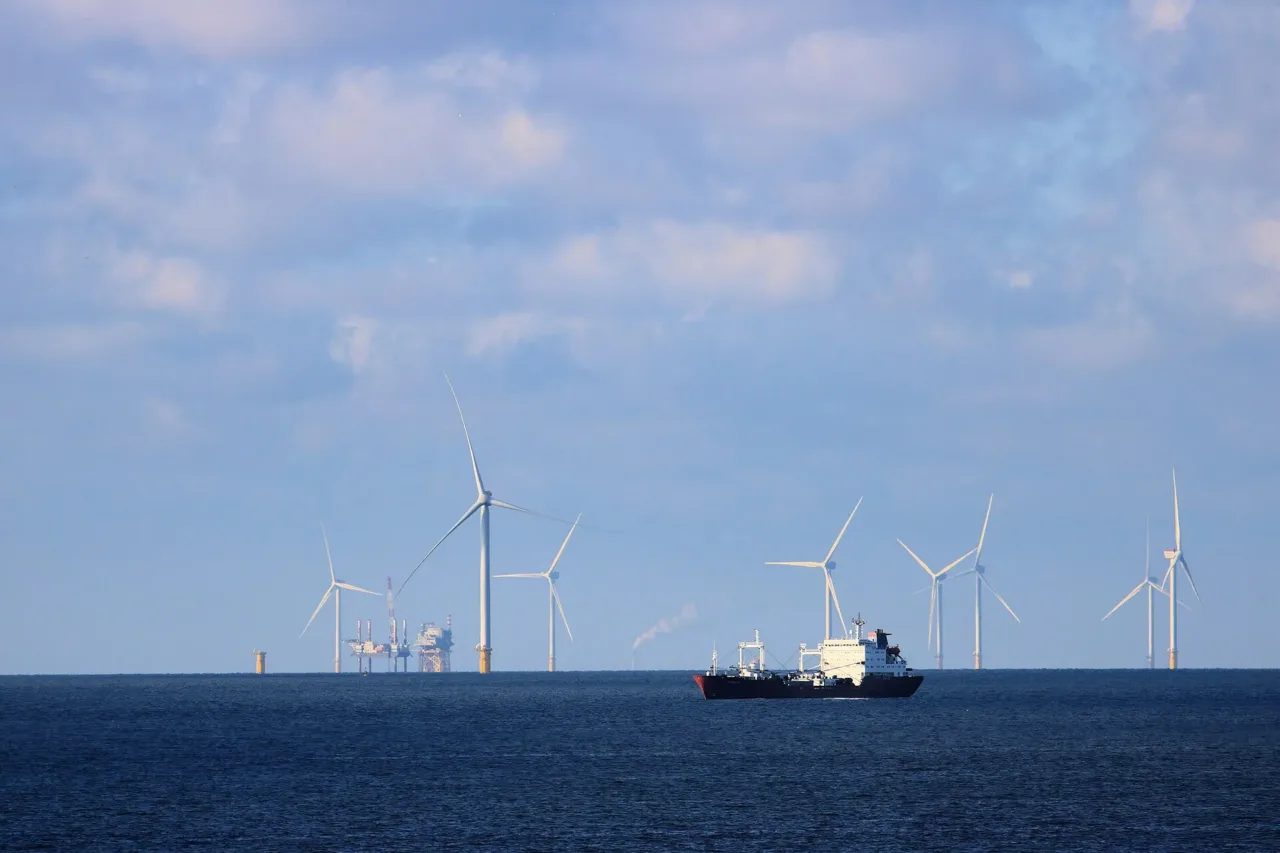
The U.S. Department of the Treasury announced sanctions on October 8 related to 17 oil tankers that, according to its investigation, transport Iranian oil or petrochemical products. The measure is part of the Operation Economic Outcast campaign, announced in August, and uses Executive Order 13902 as the basis for action against entities linked to Iran’s oil sector.
Attribution matters: the U.S. Treasury is the agency identifying the ships as part of that network and publishing the operations it attributes to them. The statement does not describe a simultaneous seizure of all 17 vessels or prove that they have all stopped sailing. Adding them to a sanctions list is a financial and commercial measure, distinct from intercepting them at sea.
Which ships are listed and why
Among the examples cited is the SHENZHEN, which Treasury says transported more than 3.5 million barrels of Iranian crude oil since November 2025. It also names the STARWAY for more than three million barrels of naphtha since 2025 and the KANHA for more than three million barrels of high-sulfur fuel oil since 2021.
Those figures cover different periods and different products: they are not the volume for a single day and should not be added together as if they represented a current cargo. The statement also links the ships to companies that own, manage, or operate them. To understand each designation, it is necessary to read both the vessel’s identification and the entity with which it is linked.
The scope of the measure
Treasury explains that property and interests in property of designated persons located in the United States or in the possession or control of U.S. persons must be blocked and reported to OFAC. The restrictions include transactions covered by those rules, subject to any exceptions or authorizations established by OFAC itself.
This does not mean that any transaction by any company anywhere in the world is automatically prohibited under the same conditions. The statement also describes sanctions risks for certain foreign participants. The scope depends on the activity and the applicable framework; this article reports on the decision and does not replace a specific compliance review.
Two removals show that the list also changes
In the same publication, Treasury removed the HAKUNA MATATA and the PINOCCHIO from its lists after their sale to non-sanctioned operators. This distinction avoids presenting every mention of a ship in the document as a new sanction. The agency says it will continue monitoring changes in the network and its operators.
For readers in Mexico, this announcement helps track restrictions on international oil trade. By itself, it does not make it possible to calculate a rise in gasoline prices or determine the price of crude oil. Nor does it confirm naval attacks or closures of the Strait of Hormuz: those events require separate sources and verification from the October 8 financial decision.