
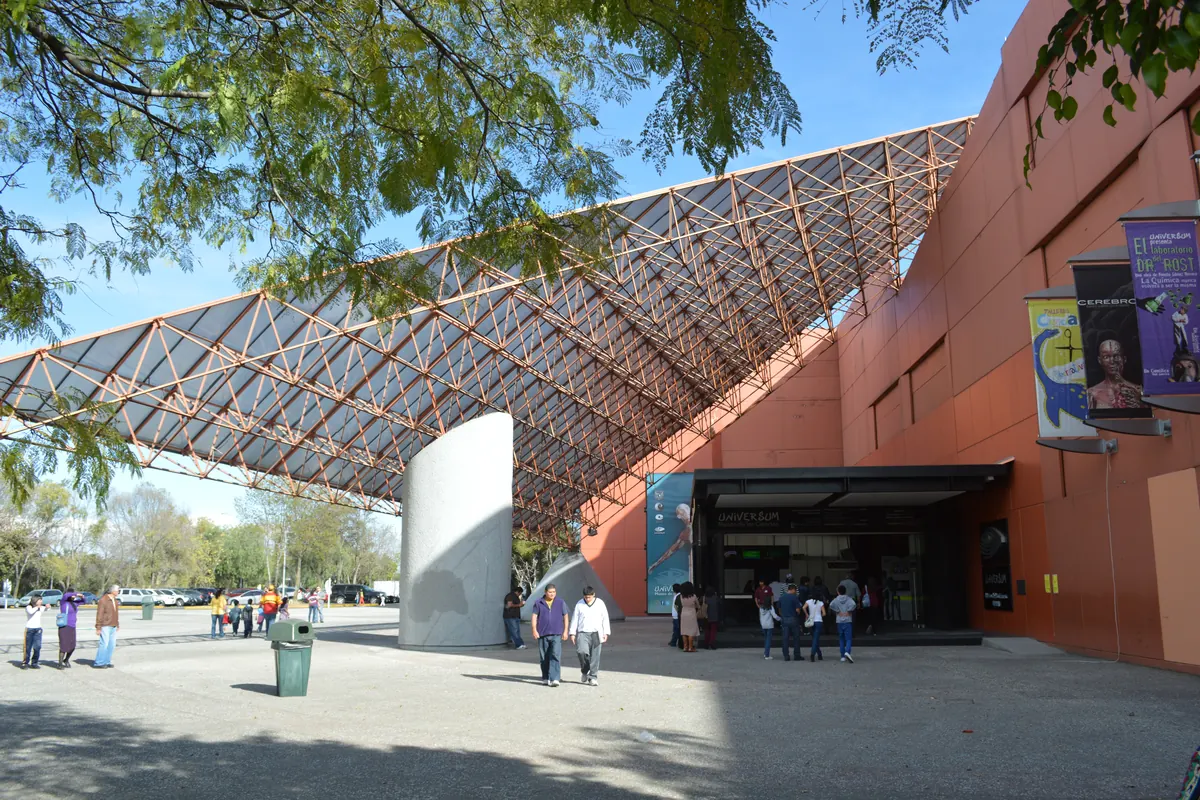
World Space Week 2026 concludes this 10 of October with a question that goes beyond watching a launch: how can space technology become an experience we can understand? Universum, UNAM’s science museum, devoted its closing program to Mars, telescopes, observation, and rocket models.
The activities were scheduled starting at 11:00 on Saturday. Their demonstration and workshop times have already passed at the time of publication, so this article revisits the program’s topics and resources rather than inviting readers to attend sessions that have ended.
Jezero: From a Virtual Tour to a Scientific Question
The museum’s program included a virtual reality exploration of Jezero Crater, as well as three-dimensional models for identifying parts of the Perseverance rover and their functions. The activities were led by the Laboratory of Immersive Technologies for Science Communication and the Mexican Society for Astrobiology.
Jezero is where Perseverance landed in February 2021. NASA explains that there is evidence of an ancient lake, river, and delta system there. Studying its rocks helps reconstruct conditions on Mars in the past and search for possible signs of ancient life.
Searching for those signs is not the same as confirming life on Mars. That distinction is part of what makes connecting an interactive model with the real mission useful: it helps identify what the rover observes and which questions still require evidence. NASA’s website offers images and details to continue exploring from home.
Rockets and Telescopes Within Reach of an Explanation
Universum also announced water rockets, introductions to different types of telescopes, and supervised solar observation on its esplanade. These outdoor activities were marked as free admission; several experiences inside the museum, however, required a ticket. The program was not entirely free.
The models offer an introduction to topics that are often seen only as huge numbers or spectacular videos. A water rocket can be used to talk about propulsion; an explanation of telescopes helps distinguish instruments based on what one wants to observe. Observing the Sun requires appropriate equipment and filters—not looking directly through just any lens.
What the Week Commemorates
The celebration takes place from 4 to 10 in October. Its dates recall the launch of Sputnik 1 in 1957 and the entry into force of the Outer Space Treaty in 1967. The UN established it in 1999 as an annual observance dedicated to the contribution of space science and technology.
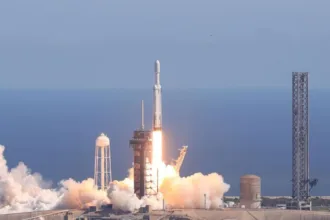
The 2026 theme, Rocket Revolution, focuses on the transformation of access to space and launch technologies. The local program brings that conversation down to earth with specific questions about vehicles, instruments, and exploration.
For future visits, Universum’s calendar lists dates, capacity limits, and activities that require a ticket. NASA’s resources and those of World Space Week remain available online after this Saturday’s sessions end.