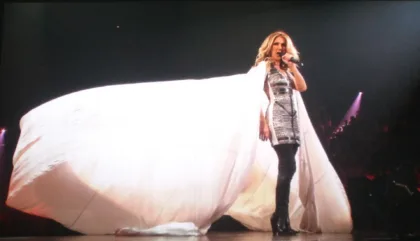

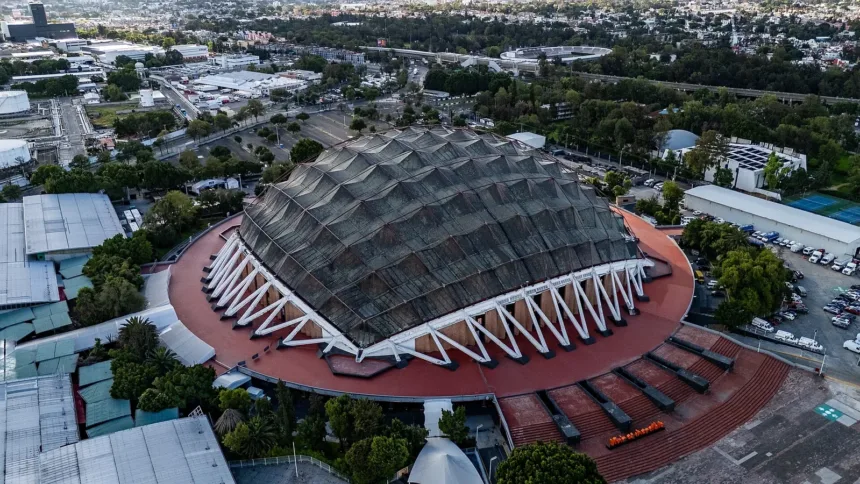
Álvaro Díaz will perform at the Palacio de los Deportes on October 9, 10 and 11. The Ticketmaster listing shows 20:00 for the first two shows and 19:00 for the third. That one-hour difference matters when planning your arrival: the advertised start time is not the same every night.
The musical context is OMAKASE, released on May 22 by Universal Music Latino. The edition includes 16 songs and runs about 49 minutes. The title serves as a statement of intent: the artist proposes choosing the sequence and contrasts of the experience rather than presenting the tracks as interchangeable pieces.
Four parts to shape a transformation
In the explanation distributed by his label, Díaz divides the album into four stages associated with culinary preparation: raw ingredients, seasoning, transformation by fire and an emotional result. The metaphor describes the journey he wanted to create; it does not mean that all the songs share the same genre or energy.
The press release identifies “MDF.” as one of the tracks that helped define the sound, with production by NSQK, Taiko and Ávila. Later come collaborations such as “PERDISTE EL EMMY.” with Tainy and “MALASNOTICIAS.” with Latin Mafia. Those credits belong to the album; on their own, they do not announce that its contributors will appear at the Palacio.
How to listen beyond the guest list
One useful way to approach the project is to compare the beginning and the ending without changing the order. The concept proposes moving from a rawer introduction to songs that put emotion front and center. That intention is described by the artist; each listener’s actual experience may differ.
The runtime also helps put the project in perspective. Sixteen tracks in approximately 49 minutes does not mean sixteen equal-length segments: the time may be distributed differently, and transitions can matter as much as a single. Listening in sequence lets you assess whether the concept connects the pieces, instead of assuming the title already does so.
The concert offers another translation
Bringing a concept album to the stage requires deciding what continuity to preserve and where to make room for the back catalog. The event information confirms the shows, but does not publish a definitive setlist here. The exact setlist, special appearances and runtime should not be inferred from the studio credits.
For those attending, the immediate practical detail is to check which of the three dates is on their ticket and remember the earlier start time on Sunday. For those following the release from home, OMAKASE offers a more interesting question than counting collaborations: how an artist organizes different materials so that a full listen has a journey of its own.