

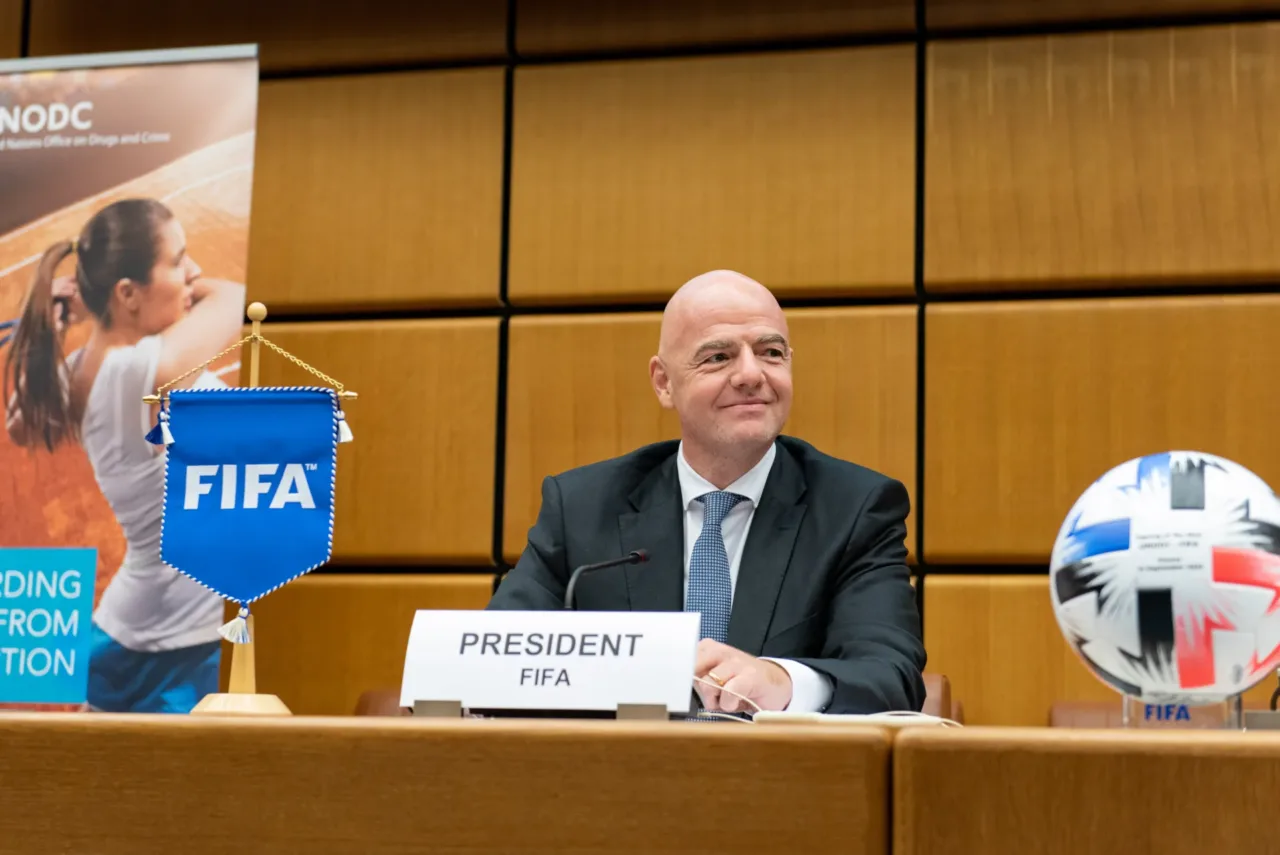
European soccer leaders brought the search for an alternative to Gianni Infantino as FIFA president to their Berlin summit, according to an Associated Press report published by the Los Angeles Times. The meeting brings together UEFA federations and takes place amid disagreement with decisions by the world governing body. It is not, by itself, a vote that has removed its president.
That distinction changes how the headline should be read. Discussing a candidate for an election, promoting reforms, and removing a leader through an institutional process are different paths. The available information describes political efforts and a search for support—not an already approved departure by Infantino.
Europe Has Influence, but It Cannot Decide on Its Own
UEFA groups 55 of FIFA’s 211 member federations. That number helps put its influence in perspective, but does not automatically make it a majority. In addition, the AP report says that not all European members have taken the same position on Infantino.
That is why a candidacy needs support beyond a single group and a proposal capable of bringing different positions together. Adding up federations by continent as if each bloc always voted as one can produce a misleading tally before candidates and concrete commitments are known.
The Dispute Did Not Start at This Meeting
The report links the discontent to the failed private investment plan involving World Cup rights and to differences over trust and governance within FIFA. The summit also covers other issues in European soccer. Reducing the entire agenda to an operation already completed against one person oversimplifies what is still a political negotiation.
Criticism and any potential actions under discussion should be attributed to those raising them. They do not automatically constitute a judicial finding about a leader’s conduct. An allegation, an investigation, and a ruling are distinct stages, including when the subject is a sports organization.
What Would Have to Happen to Call It a Change
The next relevant development will be a formal candidacy with backing and an election schedule, not just a list of names that come up in discussions. The report reviewed places the dispute within the 2027 presidential election process. It provides no basis for announcing that the outcome has already been decided.
For the Mexican public, FIFA’s decisions matter because of their effects on competitions, schedules, and the distribution of resources. That does not justify attributing a specific position to the Mexican Football Federation without a statement or document to support it. This article avoids presenting as a confirmed vote what remains speculation about alliances.
The Berlin meeting signals tension and a search for an alternative. The outcome will depend on subsequent decisions within FIFA. Until then, the verifiable fact is the reported political discussion, not a completed removal.
.jpg)