
Microsoft announced Maia 300, the third generation of its artificial intelligence chips, which will begin production deployment in 2027. The launch is part of a plan to make the Azure Maia family the primary inference system—the execution of AI models—for its products and services.
The focus is on handling more AI workloads with the power available in data centers. Microsoft expects Maia 300 to process 40% more tokens per megawatt than leading GPU-based systems. It also says a configuration of 96 accelerators will achieve up to seven times the token processing capacity per rack of Maia 200. These are manufacturer comparisons, not results from independent tests.
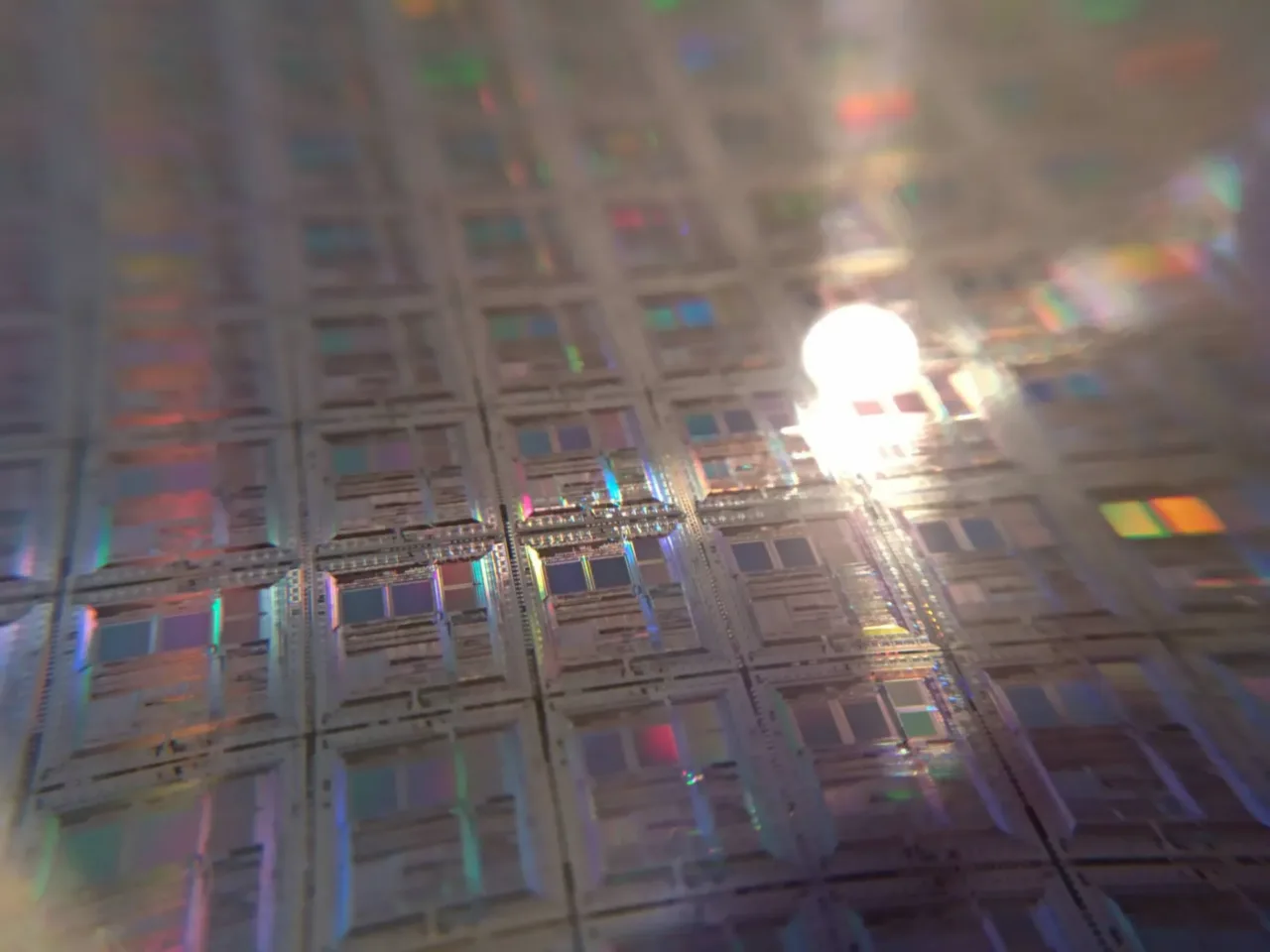
Maia 300 is designed for models that handle long contexts, conversations requiring fast responses, and agents that perform multistep tasks. Its architecture separates computing, the memory controller, and input and output functions into different components called chiplets. The computing chiplets will use TSMC’s N2P process.
The announcement comes as Maia 200 is already being used for Microsoft’s production workloads, including Copilot, and to support the team developing the MAI models. The company expects to add GitHub Copilot and Microsoft Foundry before the end of 2026.
Starting with 2027, Microsoft plans to expand Azure Maia to multigigawatt deployments. The goal is to give its own infrastructure a greater role, although the company maintains a strategy that includes different models and chip options: the announcement does not amount to an immediate replacement of GPUs.