
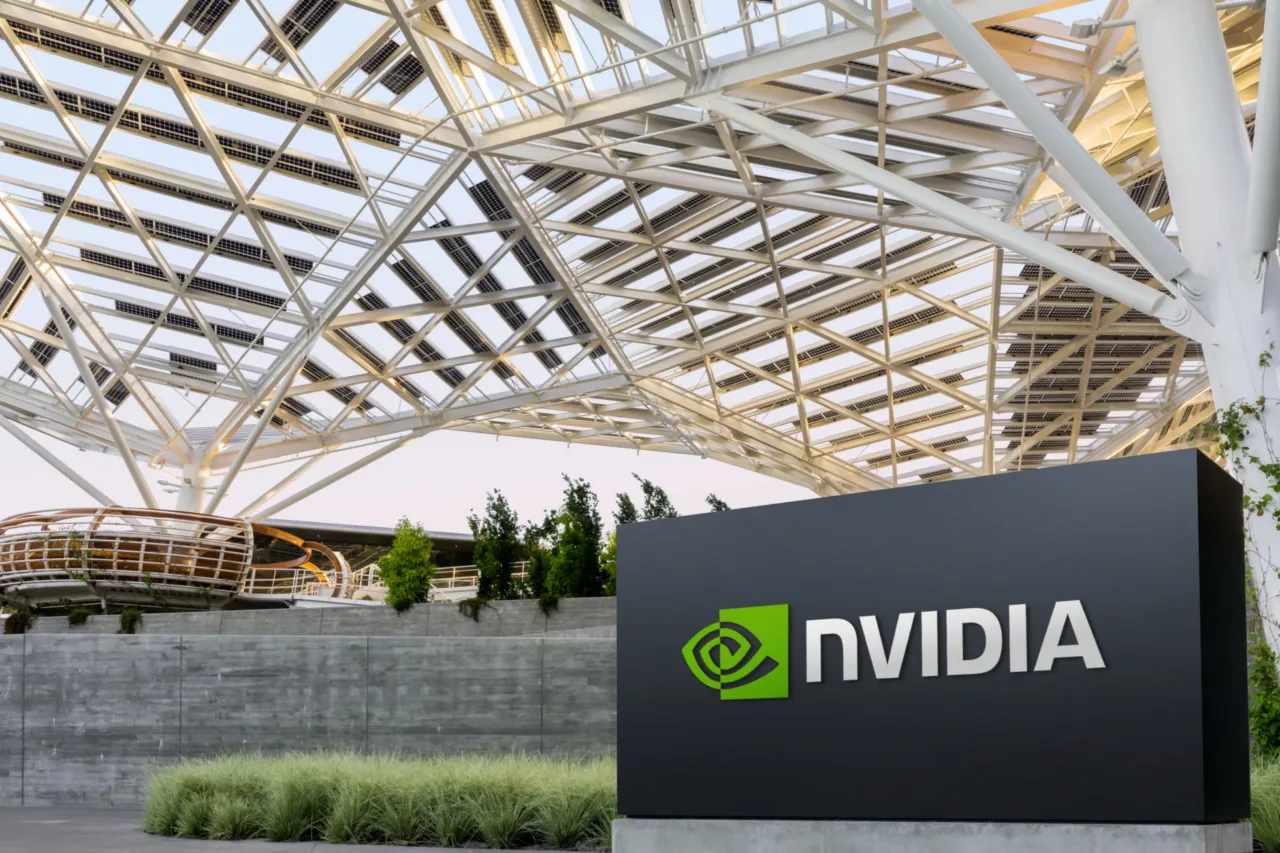
On 8 October, NVIDIA announced commitments valued at one billion dollars to support scientific research in the United States over the next five years. The company links the program to the Genesis Mission and to the use of accelerated computing and artificial intelligence at universities, laboratories, and scientific projects.
The figure describes the value of a set of commitments over a period of time. It should not be read as a check already delivered or as an open grant of the same amount for any applicant. The distinction matters because access to infrastructure, tools, and technical collaboration is not necessarily counted the same way as a cash transfer.
Why a GPU is also a scientific tool
GPUs can perform large numbers of operations in parallel. In addition to rendering video games, that capability is useful for simulations, data analysis, and model training. The announcement focuses on expanding the use of this infrastructure for problems that require substantial computing power and collaboration among teams.
NVIDIA’s plan includes higher education, advanced research, and work with technologies such as quantum computing and cloud infrastructure. These are areas for collaboration: the announcement alone does not prove that a specific discovery will be achieved by a certain date or that all laboratories will receive the same amount of resources.
What can be measured and what remains unknown
The economic scale and five-year timeline help convey the program’s ambition. Assessing its results will require data on participating projects, actual access to computing resources, publications, tools developed, and continuity of support. Looking only at the announced figure would leave out how the infrastructure is used.
It is also incorrect to divide the amount by five and present the result as a confirmed annual disbursement. The announcement establishes a multiyear commitment; an even distribution would be a hypothetical calculation, not the program’s funding schedule.
The takeaway for Mexico
The announced initiative is focused on the United States. For a university, student, or developer in Mexico, this does not amount to a local call for applications or automatic access. The eligibility requirements for each collaboration should be checked in its guidelines when applicable, rather than assuming that any NVIDIA account provides these benefits.
It does offer a signal about the direction of the industry: chip companies want their tools to become part of everyday scientific work, in addition to selling hardware for data centers. This expands research possibilities, but also makes usage costs, technical training, and the ability to reproduce results important considerations.
NVIDIA itself is the source of the announcement. The program’s assessment and its promises describe what the company is committing to advance; they are not an independent evaluation of results that have yet to materialize.