
The International Energy Agency expects renewables to overtake coal as the world’s leading source of electricity generation in 2026. Its midyear update gives a central role to solar growth. This is a forecast for the full year, not a final tally of what has already happened.
The distinction matters: installing panels or announcing projects does not automatically translate into a certain amount of electricity being generated. The final result depends on when they begin operating, on available resources, and on whether the grid can transport their energy to the places where it is consumed.
The solar surge and the basis for comparison
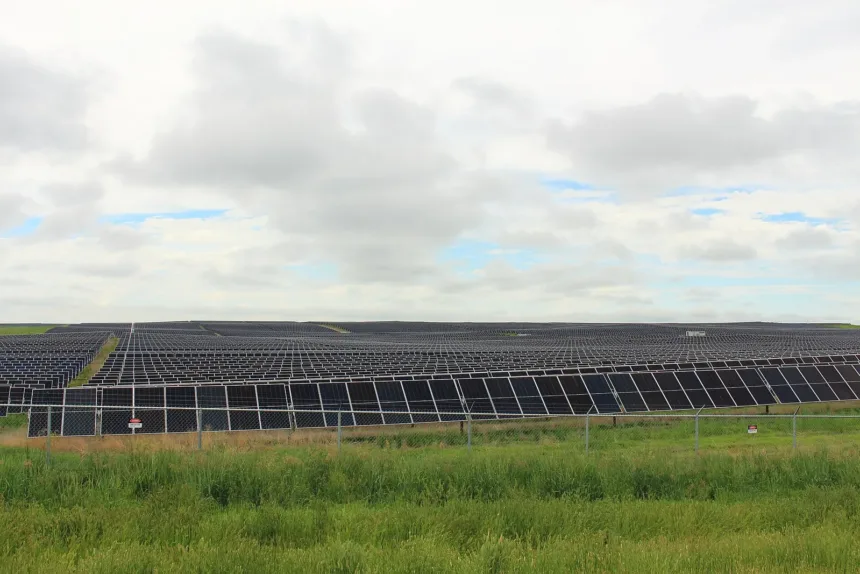
The update estimates that solar photovoltaic generation will grow by around 600 terawatt-hours in 2026. It also forecasts that it will overtake wind power and become the second-largest renewable source of electricity, behind hydropower. These are comparisons of energy generated, not of the number of installations.
To put this in perspective, it helps to distinguish between power and energy. A gigawatt expresses the capacity to produce at a given rate; a terawatt-hour measures the energy accumulated over a period. As an arithmetic example, a facility delivering a constant one gigawatt for a thousand hours would produce one terawatt-hour. In reality, output changes with conditions and operations.
The IEA’s 2025 tally put low-emissions sources, which include renewables and nuclear power, at around 43% of global generation. Nuclear power is not renewable, so swapping those two labels would artificially inflate one of the categories.
The grid is part of the story
An electricity system must continuously balance production and consumption. If a lot of solar generation is concentrated around midday and peak demand comes later, resources are needed to help shift energy, adjust consumption, or provide generation at other times. Batteries are one option; interconnections and operational flexibility also matter.
That is why an annual record does not guarantee that every country will have affordable and reliable electricity at every hour. Geographic distribution matters: an area may have abundant solar resources and, at the same time, insufficient connections to make full use of them.
What to watch for at year-end
To assess the change, three measures are more useful than an isolated announcement: how much electricity was generated, what share of the total it represented, and how emissions changed. If demand also grows, an increase in renewables can coexist with continued heavy use of fossil fuels.
The forecast points to a change in scale for clean generation. Its day-to-day impact will depend on the investments that make it possible to integrate it: building capacity, connecting it, and using it are all parts of the same challenge.